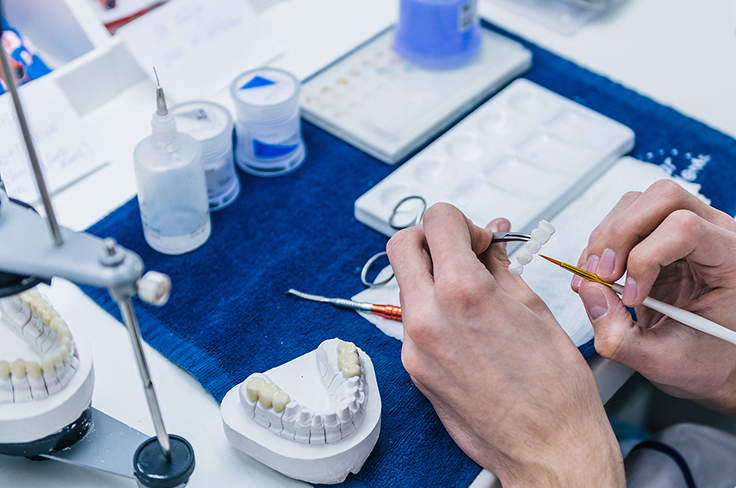
In modern dentistry, dental laboratories play a crucial role in supporting successful patient treatments. A dental lab is responsible for producing various restorative and prosthetic devices such as crowns, bridges, veneers, dentures, and orthodontic appliances, all of which are custom-made for each patient.
Digital Technology in the Modern Dental Laboratory (h1)
By combining skilled dental technicians with advanced technology, dental laboratories are able to deliver products that are precise in function and natural in appearance. Careful production processes ensure optimal comfort, durability, and aesthetics that closely resemble natural teeth.
- Strong collaboration between dentists and dental laboratories is essential.
- Clear communication regarding clinical requirements, shade matching, and design details significantly influences the final outcome and overall patient satisfaction.
Why Choosing a Professional Dental Laboratory Matters (h2)
Strong collaboration between dentists and dental laboratories is essential. Clear communication regarding clinical requirements, shade matching, and design details significantly influences the final outcome and overall patient satisfaction.
- The advancement of digital technology has transformed the dental laboratory industry.
- Many modern labs now utilize
The Role of Dental Laboratories in Supporting Quality Dental Care (h3)
Selecting the right dental laboratory is a key factor in achieving successful dental treatments. A professional lab focuses not only on the final appearance of restorations but also on material quality, production standards, and regulatory compliance.
Digital Technology in the Modern Dental Laboratory (h4)
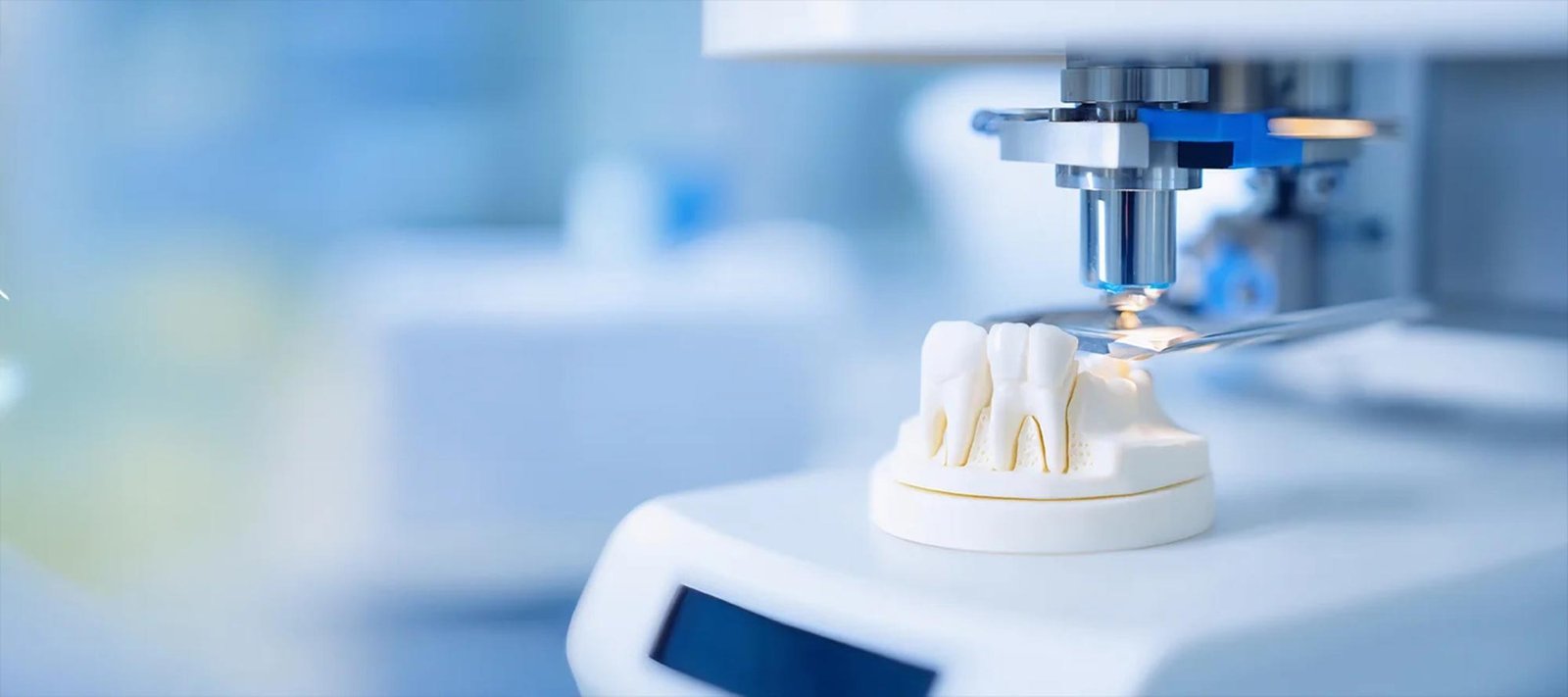
Through digital workflows, restorations such as crowns, bridges, and veneers can be designed with high precision and manufactured in shorter turnaround times. Intraoral scanning and digital impressions reduce manual errors while enhancing the fit and quality of restorations.
Through digital workflows, restorations such as crowns, bridges, and veneers can be designed with high precision and manufactured in shorter turnaround times. Intraoral scanning and digital impressions reduce manual errors while enhancing the fit and quality of restorations.
Through digital workflows, restorations such as crowns, bridges, and veneers can be designed with high precision and manufactured in shorter turnaround times. Intraoral scanning and digital impressions reduce manual errors while enhancing the fit and quality of restorations.
Through digital workflows, restorations such as crowns, bridges, and veneers can be designed with high precision and manufactured in shorter turnaround times. Intraoral scanning and digital impressions reduce manual errors while enhancing the fit and quality of restorations.
Through digital workflows, restorations such as crowns, bridges, and veneers can be designed with high precision and manufactured in shorter turnaround times. Intraoral scanning and digital impressions reduce manual errors while enhancing the fit and quality of restorations.
Through digital workflows, restorations such as crowns, bridges, and veneers can be designed with high precision and manufactured in shorter turnaround times. Intraoral scanning and digital impressions reduce manual errors while enhancing the fit and quality of restorations.
Through digital workflows, restorations such as crowns, bridges, and veneers can be designed with high precision and manufactured in shorter turnaround times. Intraoral scanning and digital impressions reduce manual errors while enhancing the fit and quality of restorations.
Through digital workflows, restorations such as crowns, bridges, and veneers can be designed with high precision and manufactured in shorter turnaround times. Intraoral scanning and digital impressions reduce manual errors while enhancing the fit and quality of restorations.
Why Choosing a Professional Dental Laboratory Matters (h5)
Left High-quality dental laboratories use certified materials and follow strict quality control procedures to ensure patient safety and long-term performance. Experienced technicians understand clinical needs and work closely with dentists to deliver restorations that meet both functional and aesthetic expectations.
Center High-quality dental laboratories use certified materials and follow strict quality control procedures to ensure patient safety and long-term performance. Experienced technicians understand clinical needs and work closely with dentists to deliver restorations that meet both functional and aesthetic expectations.
Right High-quality dental laboratories use certified materials and follow strict quality control procedures to ensure patient safety and long-term performance. Experienced technicians understand clinical needs and work closely with dentists to deliver restorations that meet both functional and aesthetic expectations.
High-quality dental laboratories use certified materials and follow strict quality control procedures to ensure patient safety and long-term performance. Experienced technicians understand clinical needs and work closely with dentists to deliver restorations that meet both functional and aesthetic expectations.
High-quality dental laboratories use certified materials and follow strict quality control procedures to ensure patient safety and long-term performance. Experienced technicians understand clinical needs and work closely with dentists to deliver restorations that meet both functional and aesthetic expectations.
Digital Technology in the Modern Dental Laboratory (h6)
Through digital workflows, restorations such as crowns, bridges, and veneers can be designed with high precision and manufactured in shorter turnaround times. Intraoral scanning and digital impressions reduce manual errors while enhancing the fit and quality of restorations.
Digital dental technology not only improves product quality but also ensures better standardization and repeatability. This allows dentists and patients to benefit from predictable, reliable, and high-quality dental solutions.
Through digital workflows, restorations such as crowns, bridges, and veneers can be designed with high precision and manufactured in shorter turnaround times. Intraoral scanning and digital impressions reduce manual errors while enhancing the fit and quality of restorations.
Quote Digital dental technology not only improves product quality but also ensures better standardization and repeatability. This allows dentists and patients to benefit from predictable, reliable, and high-quality dental solutions.
Through digital workflows, restorations such as crowns, bridges, and veneers can be designed with high precision and manufactured in shorter turnaround times. Intraoral scanning and digital impressions reduce manual errors while enhancing the fit and quality of restorations.
Digital dental technology not only improves product quality but also ensures better standardization and repeatability. This allows dentists and patients to benefit from predictable, reliable, and high-quality dental solutions.